
Skip to product information

In stock


Traditional Chinese Buildings Metal Models to Assemble
€43,00 EUR
🔒 Secure Checkout
🚚 Free Worldwide Shipping (5–8 Business Days)
📦 Tracking Included on All Orders
⭐ Premium Craftsmanship
Understanding Traditional Chinese Buildings Metal Model to Assemble
3D Metal Puzzles Creative Model Building Kits
Gender : Unisex
Material : Metal
Recommended Age : 14+
Theme: Buildings
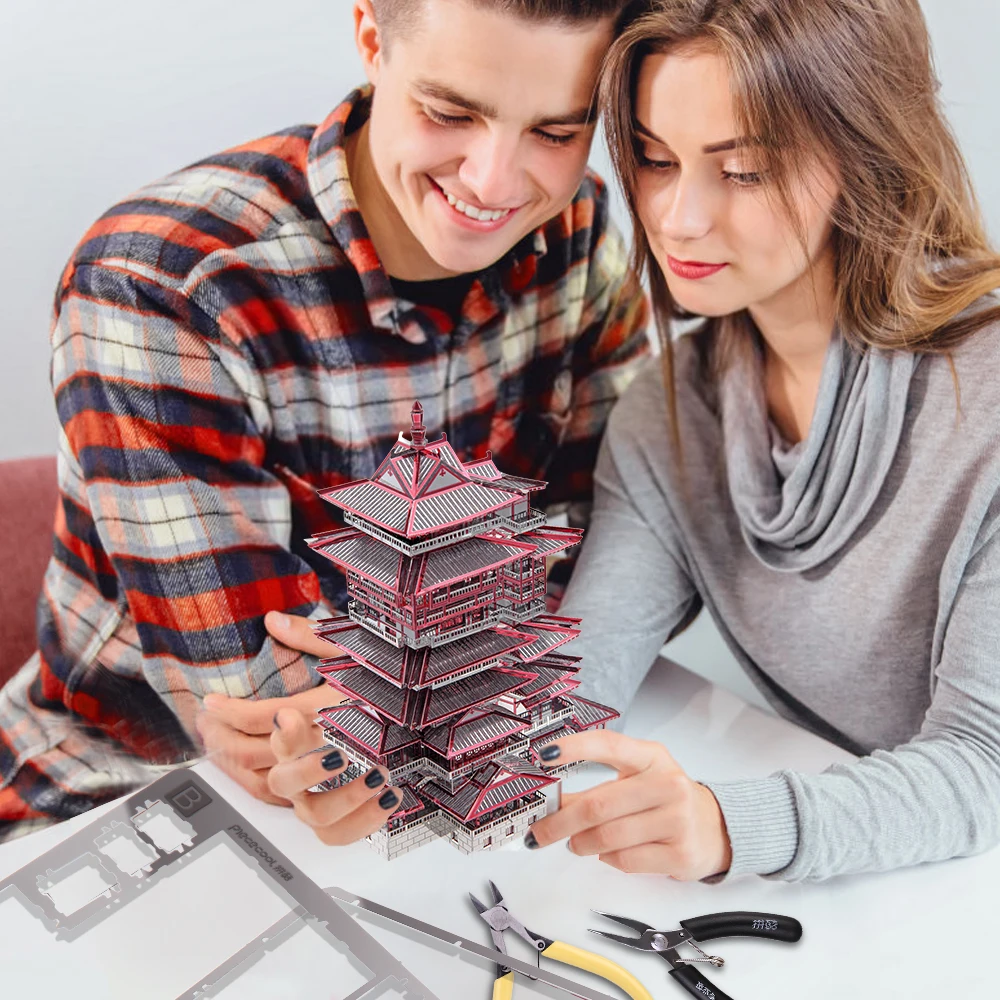
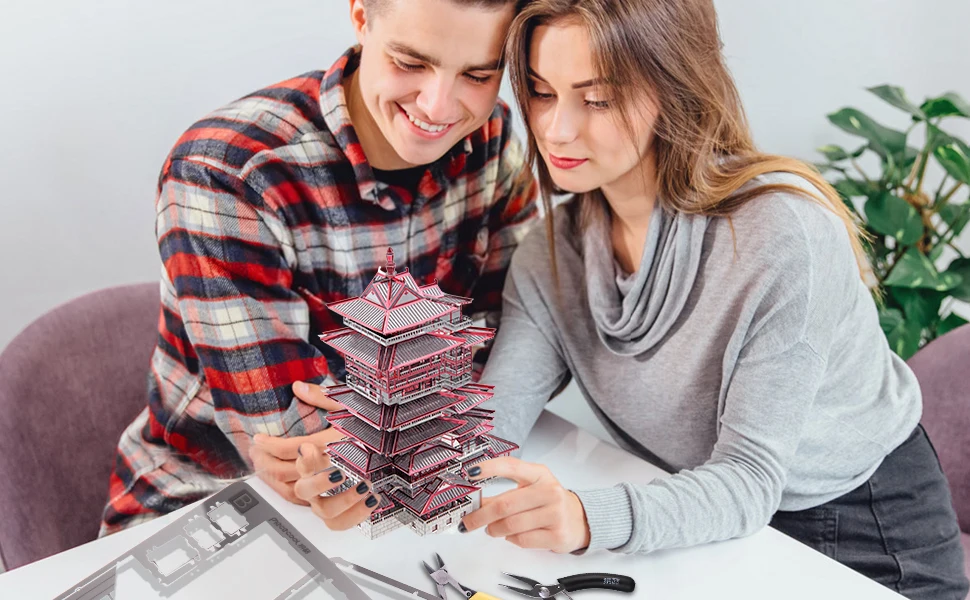
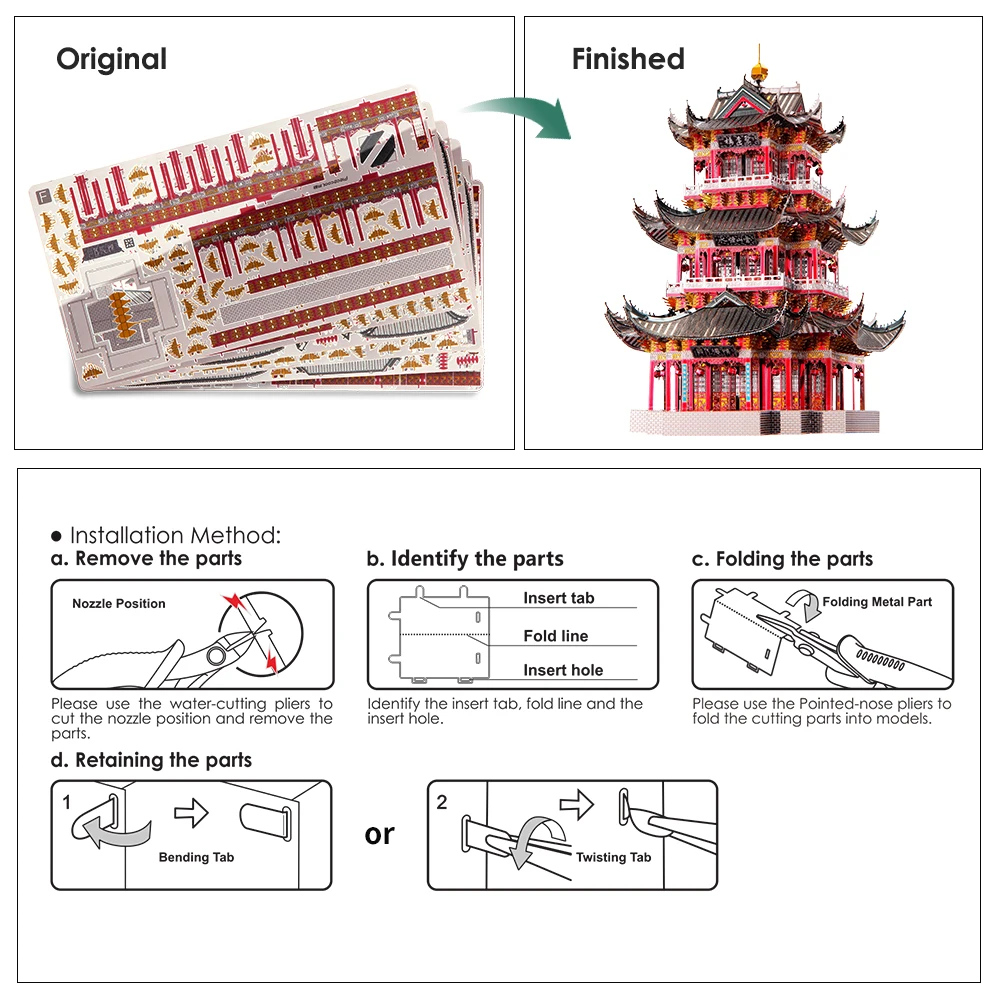
Assembly tools are not included.
Finished Size/Difficulty level:
Yellow Crane Tower : L7.8cm×W7.8cm×H11.3cm, 5 stars
YellowCraneTower (big) : L9.3cm×W11.7cm×H15cm, 5 stars
Tengwang Pavilion : L13.5cm×W11.5cm×H9cm, 5 stars
Watchtower (The watchtower of forbidden city-small) : L11.5cm×W11.5cm×H9.8cm, 3 stars
Watchtower (The watchtower of forbidden city) : L12.5cm×W12.5cm×H13.5cm, 3 stars
Epang Palace : L17.6cm×W11.3cm×H7.3cm, 5 stars
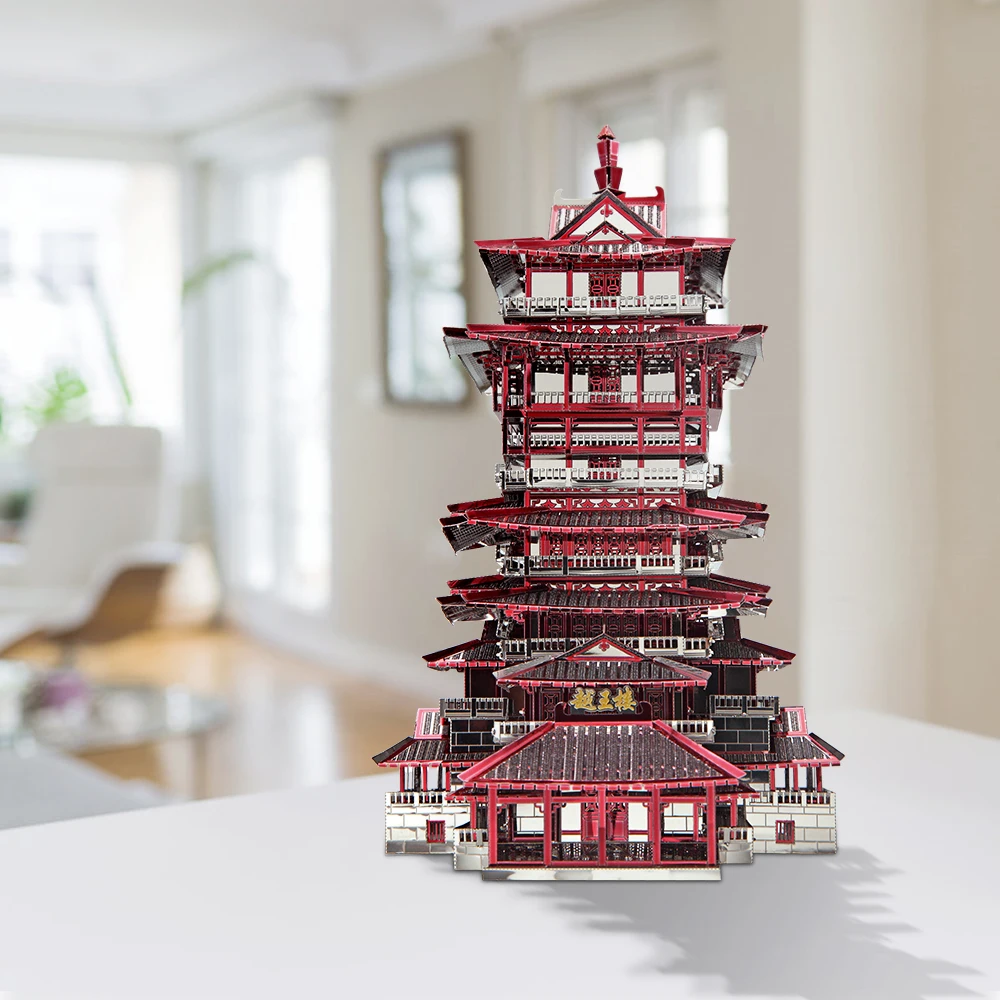
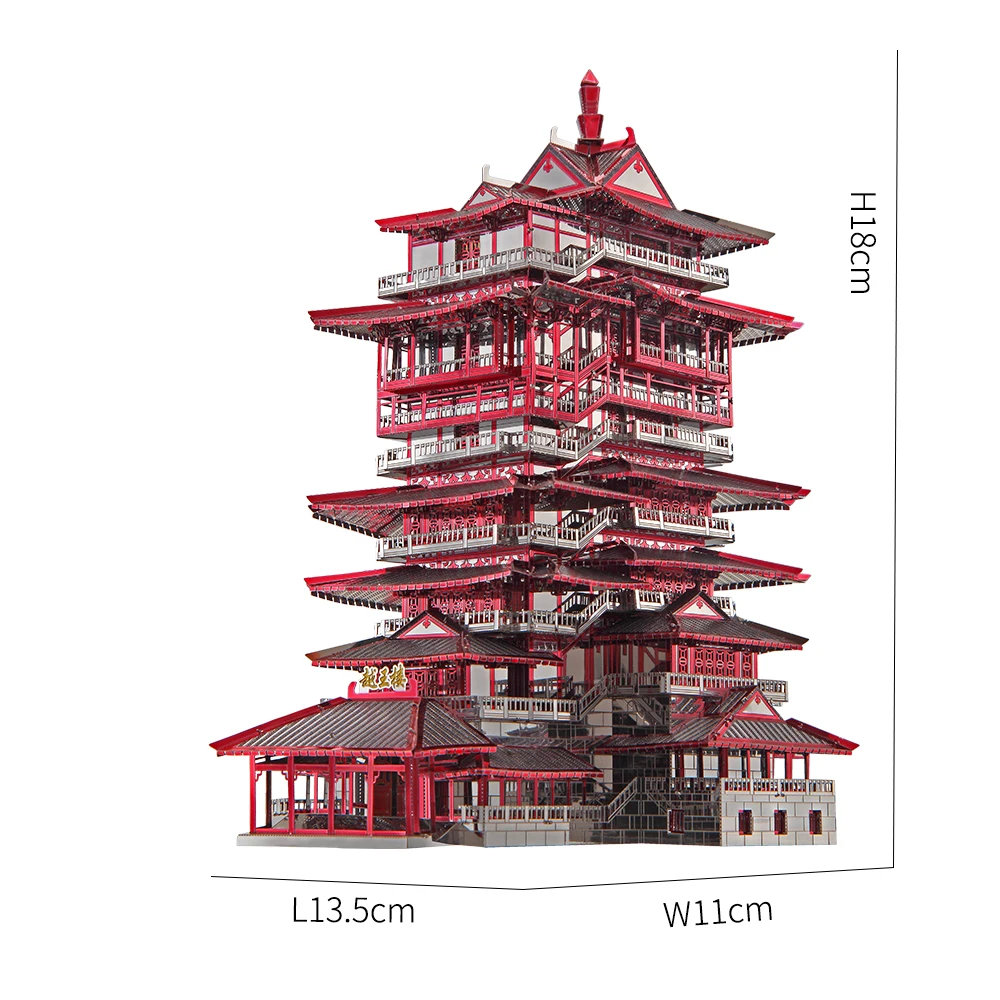
Yuewang Tower : L13.5cm×W11cm×H18cm, 6 stars
Pawn Shop : L12cm×W11cm×H11.5cm, 4 stars
Leifeng Pagoda : L14cm×W14cm×H23cm, 6 stars
Supreme Harmony : L16cm×W12cm×H10cm, 5 stars
Guanque Tower : L10cm×W11.5cm×H9.5cm, 4 stars
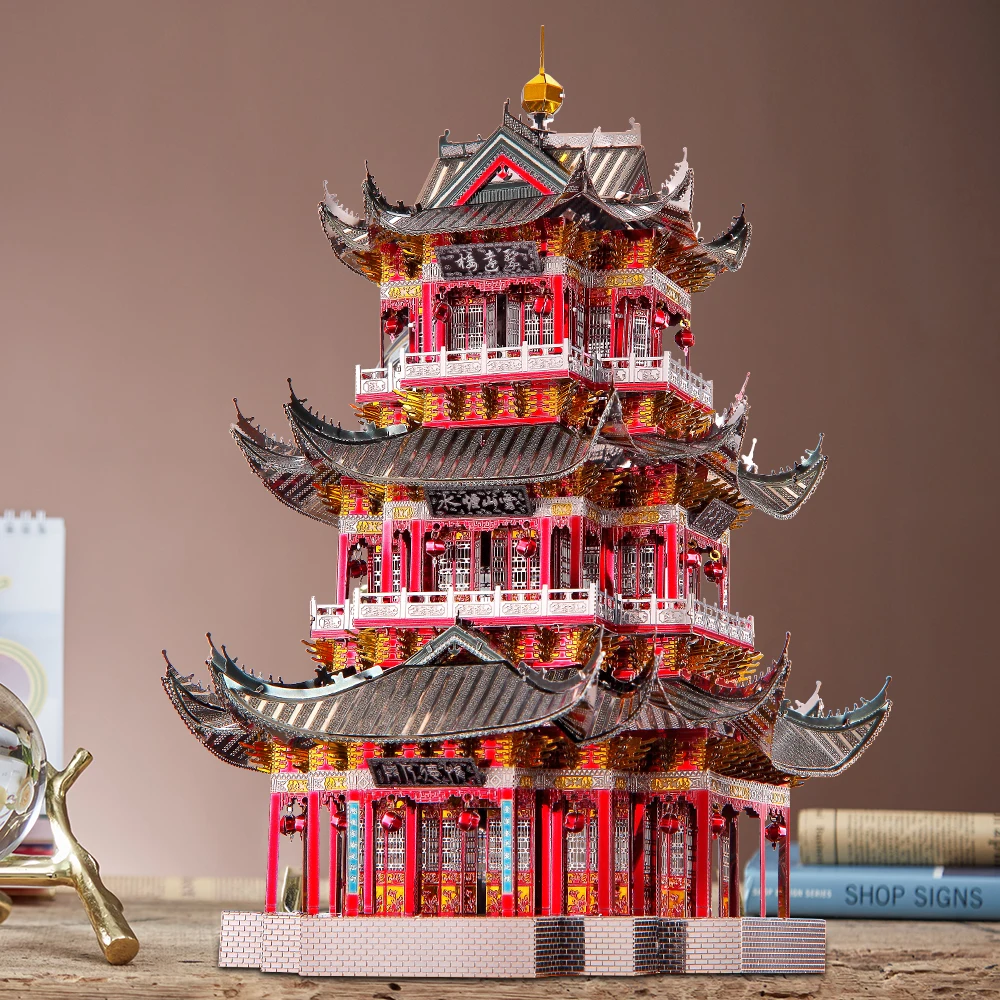
Juyuan Tower : L12cm×W13cm×H18.5cm, 5 stars
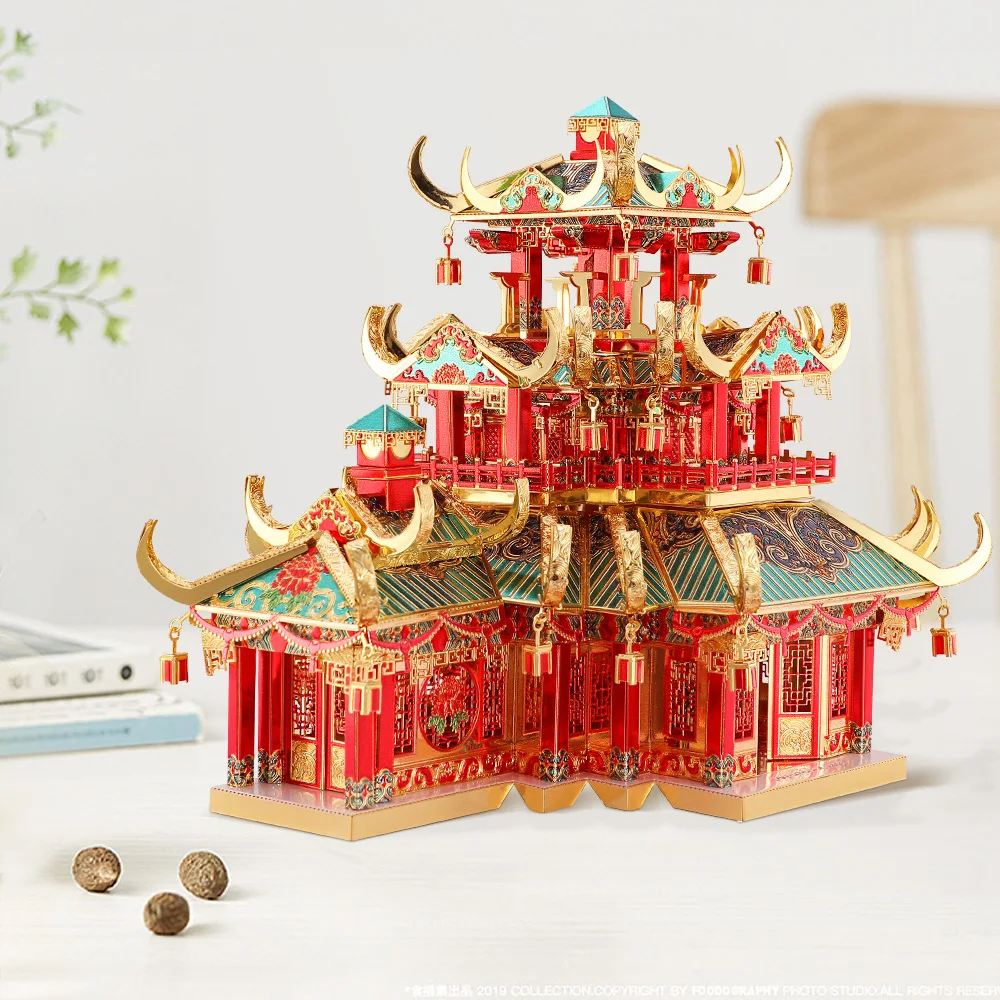
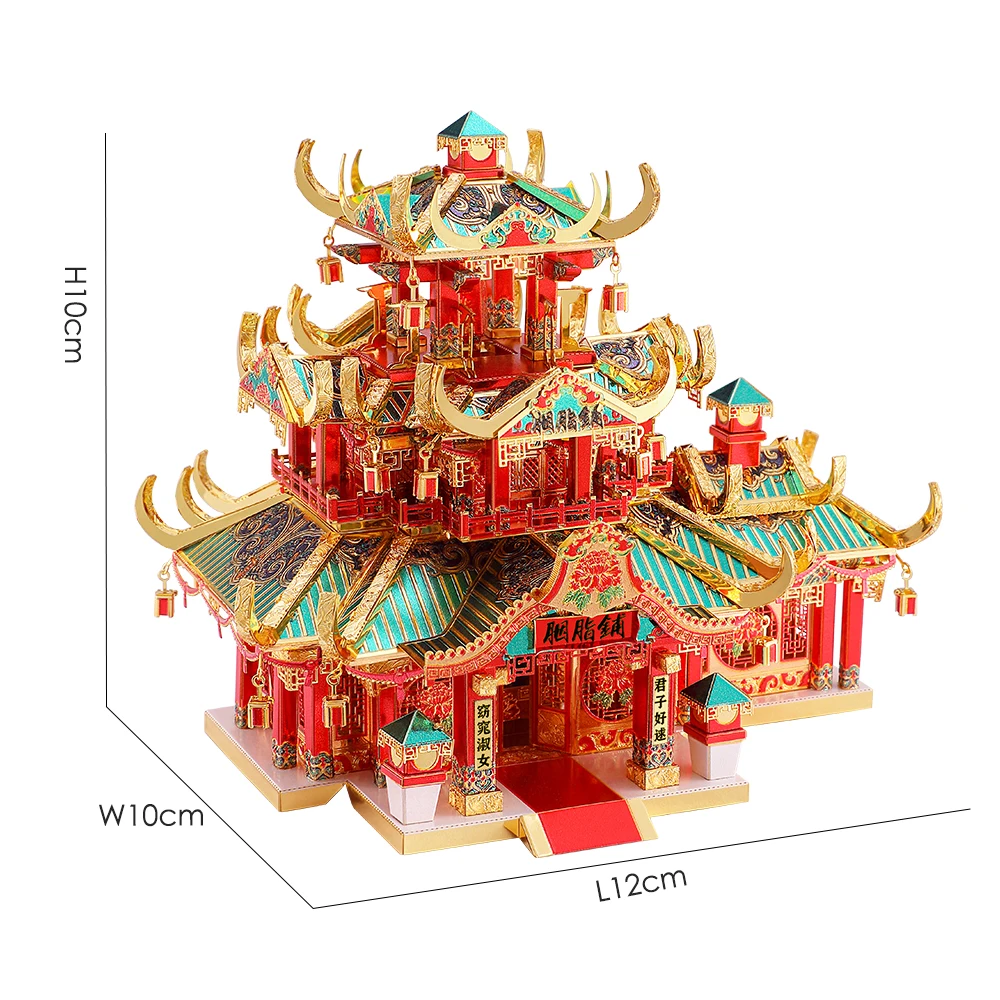
Rouge Shop : L12cm×W10cm×H10cm, 4 stars
Wenchang Tower : L5.5cm×W4.8cm×H20.2cm, 2 stars
Restaurant : L13cm×W8.5cm×H9.5cm, 4 stars
Ziwei Palace : L11.9cm×W11.9cm×H12.3cm, 4 stars
The Moon Palace : L21cm×W17cm×H18cm, 6 stars
Daming Palace : L25.2cm×W10.6cm×H5.2cm, 4 stars
Old Summer Palace : L12.2cm×W16.8cm×H7.6cm, 5 stars
Lingxiao Palace : L34cm×W20cm×H28cm, 7 stars
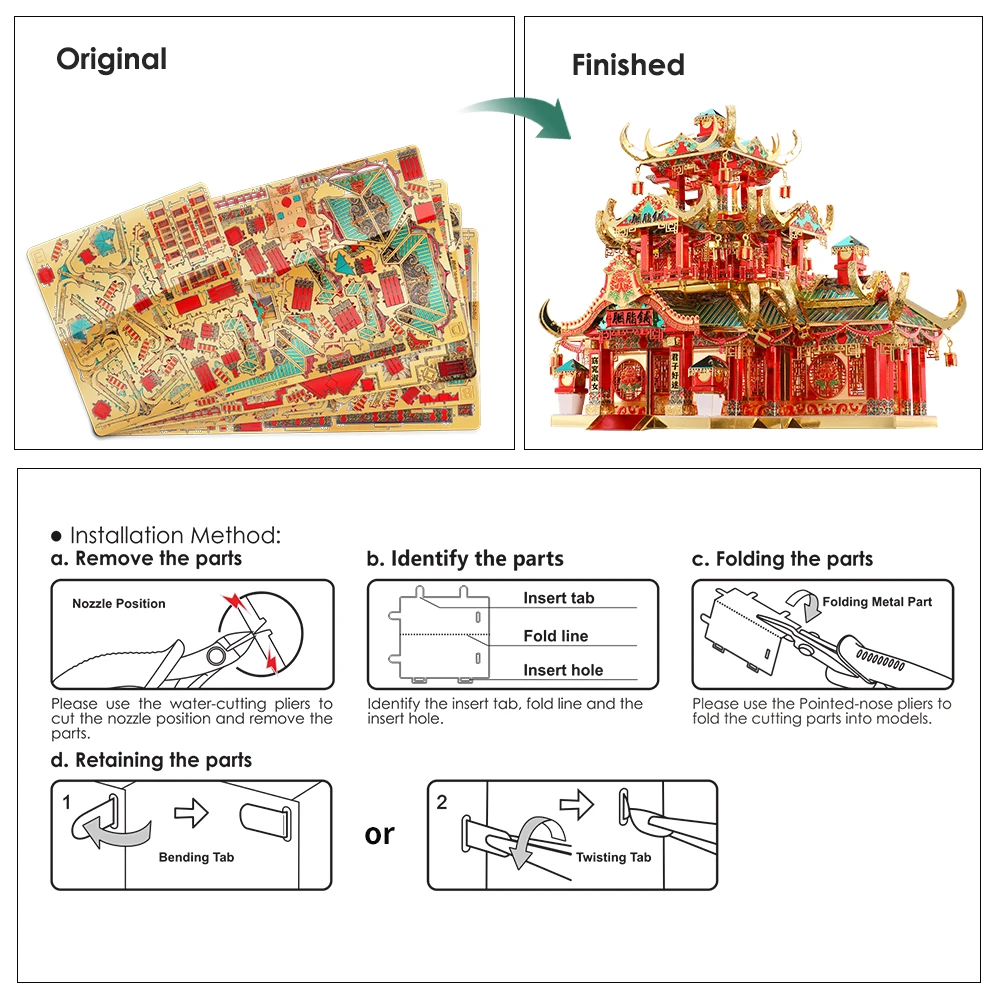
The Rich History of Traditional Chinese Buildings
Traditional Chinese buildings have a deep, rich history that dates back thousands of years. They reflect the evolution of Chinese culture, showcasing unique architectural styles influenced by various dynasties. These structures are characterized by their wooden frames, intricate carvings, and symmetrical layouts. Importantly, traditional Chinese buildings were designed not only for beauty but also for harmony with nature, and this connection to the environment is evident in how they are positioned within landscapes.
Architectural Features of Traditional Chinese Buildings
One can easily identify traditional Chinese buildings by their distinctive features. For example, curved roofs, colorful tiles, and elaborate eaves are common elements. These features serve both aesthetic and practical purposes, as they help to divert rainwater and symbolize prosperity. Additionally, the placement of buildings according to Feng Shui principles demonstrates the cultural emphasis on balance and energy flow. Because of these intricate details, traditional Chinese architecture offers a glimpse into the values and beliefs of ancient China.
Preservation and Significance Today
Today, preserving traditional Chinese buildings is essential for safeguarding cultural heritage. Many of these structures are now classified as protected sites, attracting tourists and scholars alike. Preservation efforts can be challenging due to modern development, but they are critical because they help maintain the identity of Chinese culture. By understanding and appreciating traditional Chinese buildings, we can foster a greater respect for history and instill pride in cultural heritage among future generations.
Explore Similar Models
Shop by collection
Book Nook


Book Nook


![[[{"value":"{{Product title}}"}]] - Model to assemble](http://modeltoassemble.com/cdn/shop/collections/Sample_Product_Assets_5_-converti-depuis-png_f54101ba-e658-4b42-8c4c-7c3523ce31de.jpg?v=1785081789&width=3840)


